
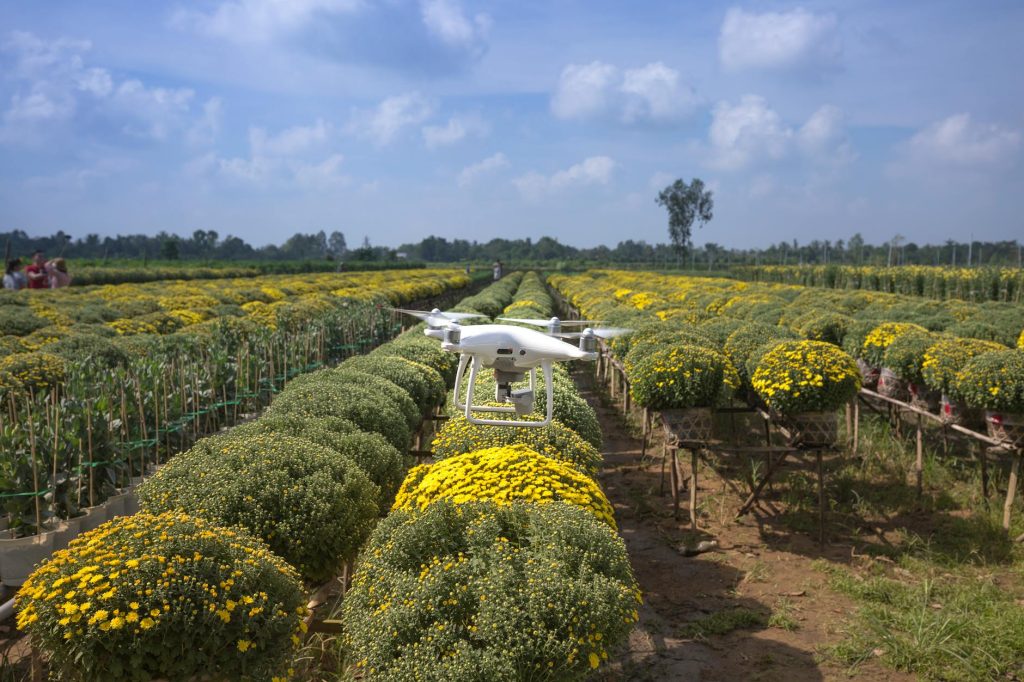

Cotton, sesame, gum arabic, sorghum, peanuts (groundnuts), and sugarcane are among Sudan’s principal agricultural products. Sorghum and millet are the primary subsistence crops, with lesser quantities of wheat, maize and barley.
Sudanese agriculture can be divided into four main subsectors: traditional rain-fed farming, mechanised rain-fed crop production, livestock raising, and modern irrigated farming, the majority of which is done on a large scale with the assistance of government investment.
Sudan is a multilingual country. The official languages of Sudan are Literary Arabic or Modern Standard Arabic and English according to the 2005 constitution of the Republic of Sudan.
These are the languages also spoken in Sudan
- Beja
- Nubian
- Fur
- Masalit
- Zaghawa
- Languages of the Nuba Mountains
Sudan and South Africa have Africa’s largest agricultural lands, with 113 million and 96.3 million hectares, respectively, with substantial disparities in agricultural production.
https://www.tiktok.com/search?lang=en&q=sudan&t=1723592

#MandelaDay
Wait—did you know Nelson Mandela spent 67 YEARS fighting for justice, equality, and peace? That’s…

Human Rights day quiz
So what does human rights day mean to you as a South African. Well I…
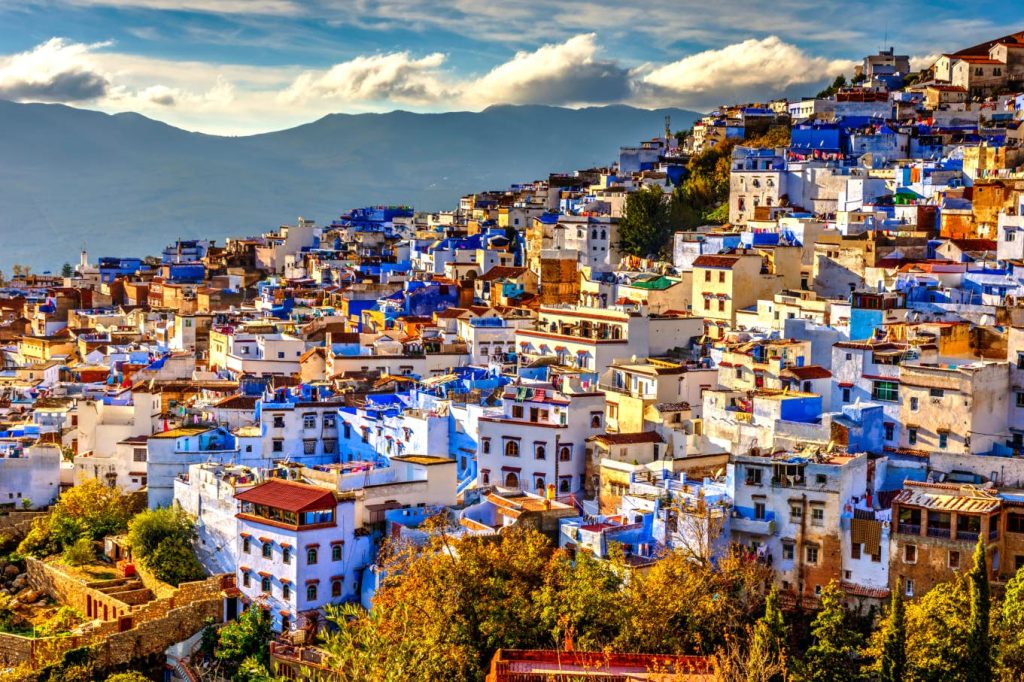
The Rifian Tribe: A Pillar of Resistance and Culture in North Africa
Nestled in the Rif Mountains of northern Morocco, the Rifian tribe represents one of…
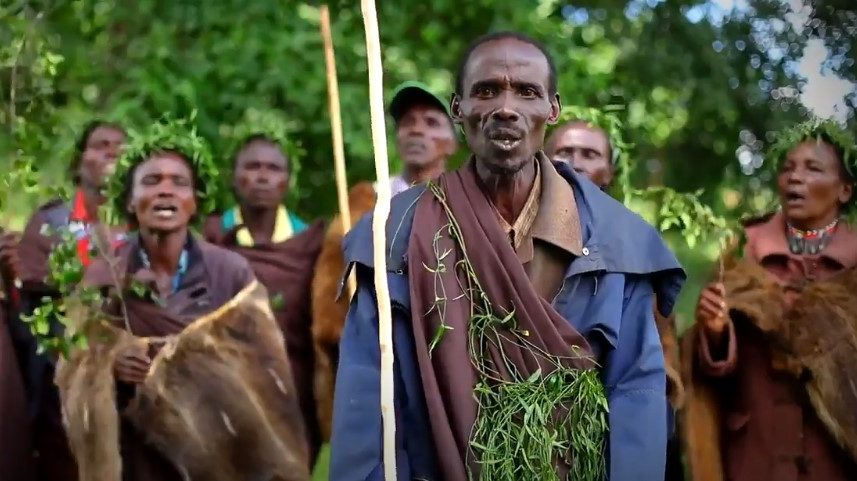
Ogiek Tribe: Defenders of Kenya’s Forest Heritage
The Ogiek, one of Kenya’s oldest indigenous communities, are traditionally forest dwellers who have inhabited…
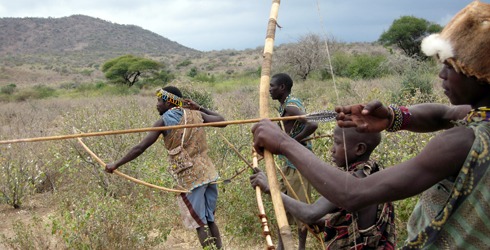
The Hadza Tribe: Guardians of an Ancient Way of Life
The Hadza people, one of the last remaining hunter-gatherer tribes in Africa, have inhabited the…
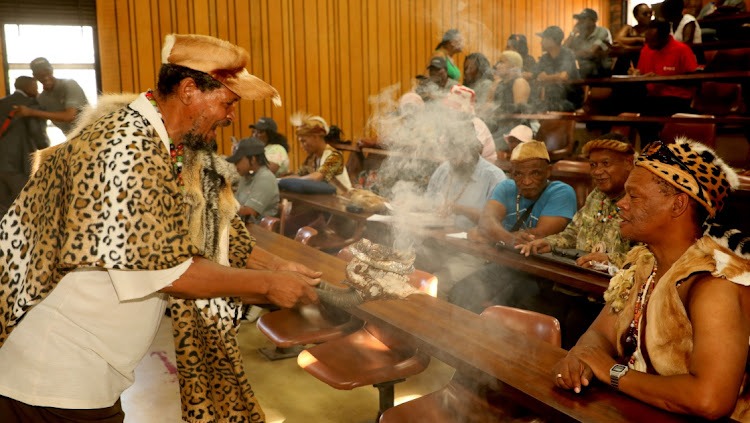
Exploring the Nama Language: History, Culture, and Influence
The Nama language, one of the oldest indigenous languages of Southern Africa, is spoken by…