
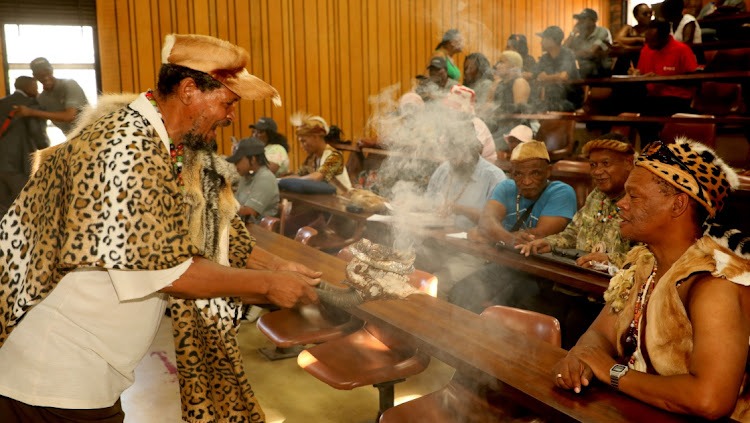
The Nama language, one of the oldest indigenous languages of Southern Africa, is spoken by the Nama people, primarily found in Namibia, Botswana, and South Africa.Nama belongs to the Khoisan language family. Though the origins of the Khoisan languages date back thousands of years, Nama is one of the few that have survived. This is due to the Nama people’s resilience and dedication to their linguistic heritage, despite colonization, modernization, and socio-political changes over the centuries.

Historically, the Nama people were semi-nomadic,relying on cattle, sheep, and goats, with cultural practices closely tied to the land. The language’s vocabulary reflects this lifestyle, with branches of knowledge for plants, animals, and geographical features of the land they inhabited.
Though Nama is spoken by around 200,000 people, it’s classified as a vulnerable language by UNESCO. This is largely due to the influence of dominant languages such as Afrikaans, English, and Bantu languages, which have increasingly been used in education and media in the regions where Nama speakers reside. This shift has led to a generational gap in language proficiency, with fewer young people learning Nama as a first language.
In Namibia, Nama is one of the recognized national languages, and there are efforts to preserve it through educational programs, community events, and cultural preservation projects. Organizations within the Nama community work tirelessly to revive interest among the youth by teaching traditional songs, folklore, and oral histories in Nama. These practices not only preserve the language but also promote pride in Nama identity and heritage.
Though Nama might not have extensive global influence, it holds cultural significance that resonates beyond its immediate community. Nama contributes to the diversity of Southern African linguistic and cultural landscapes and exemplifies the resilience of indigenous languages worldwide. By preserving and promoting Nama, the Nama community is contributing to global cultural heritage, reminding the world of the importance of linguistic diversity.

#MandelaDay
Wait—did you know Nelson Mandela spent 67 YEARS fighting for justice, equality, and peace? That’s…
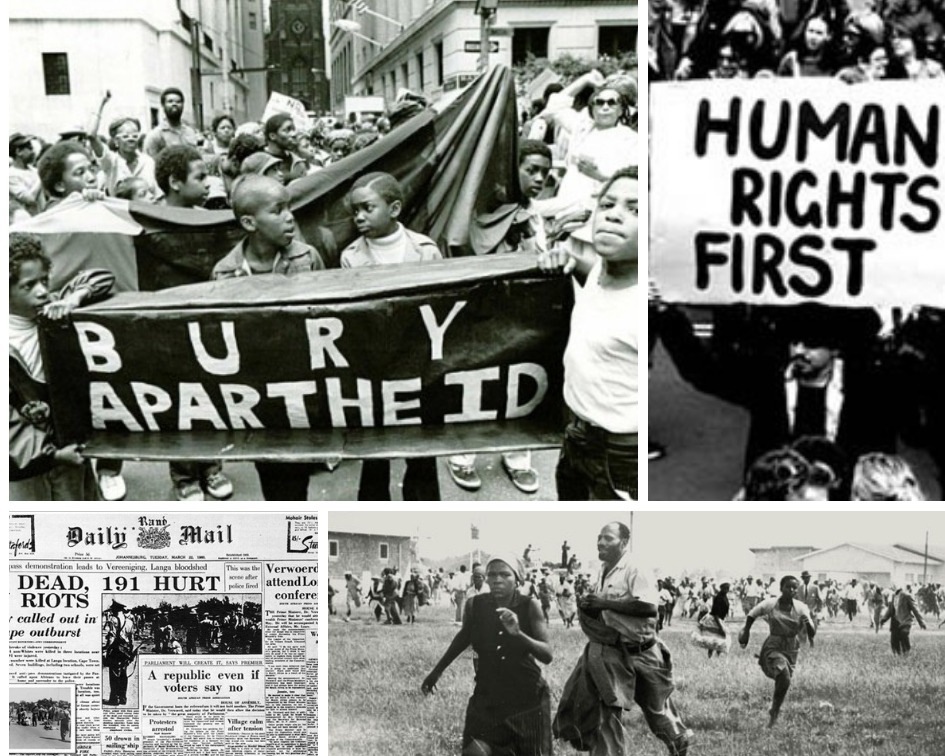
Human Rights day quiz
So what does human rights day mean to you as a South African. Well I…
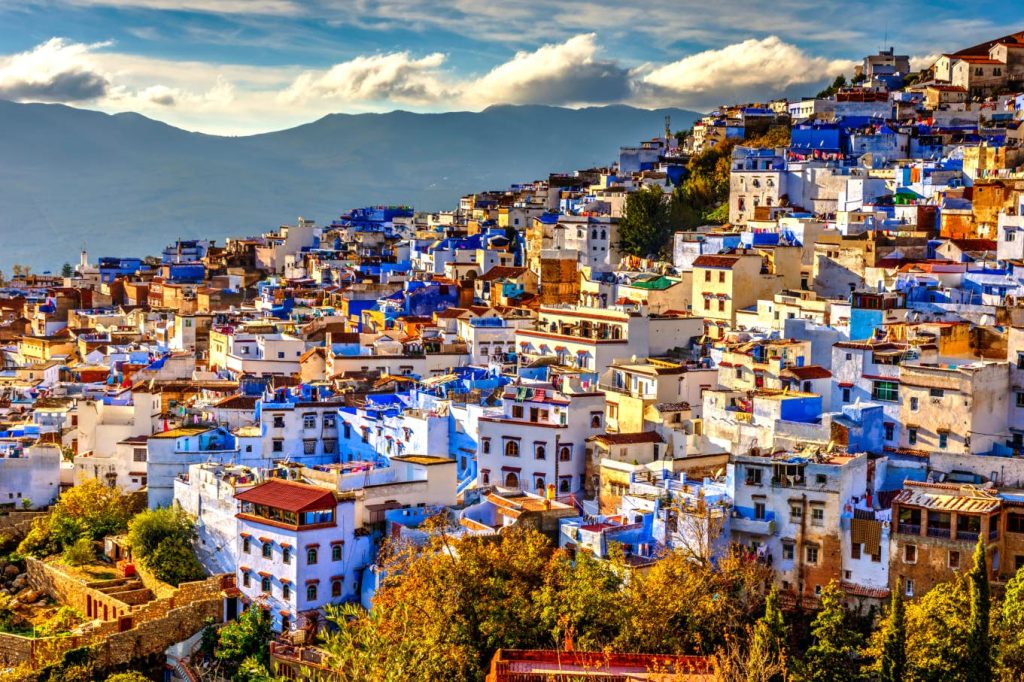
The Rifian Tribe: A Pillar of Resistance and Culture in North Africa
Nestled in the Rif Mountains of northern Morocco, the Rifian tribe represents one of…
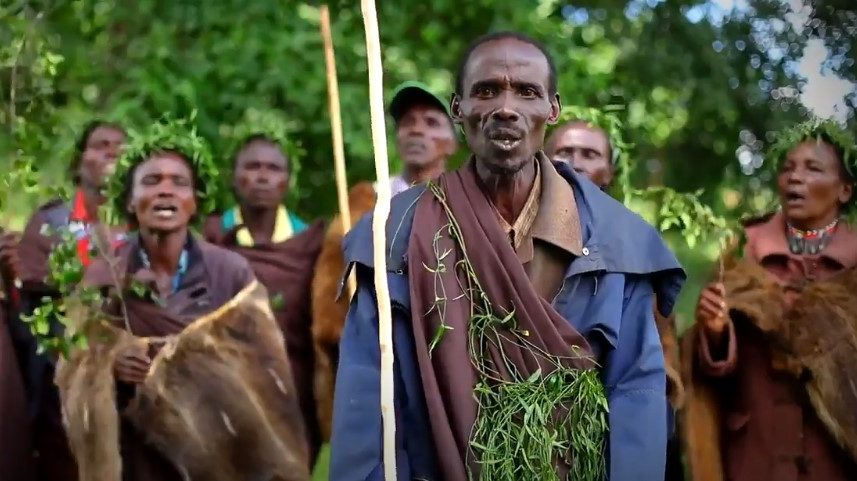
Ogiek Tribe: Defenders of Kenya’s Forest Heritage
The Ogiek, one of Kenya’s oldest indigenous communities, are traditionally forest dwellers who have inhabited…
The Hadza Tribe: Guardians of an Ancient Way of Life
The Hadza people, one of the last remaining hunter-gatherer tribes in Africa, have inhabited the…
Exploring the Nama Language: History, Culture, and Influence
The Nama language, one of the oldest indigenous languages of Southern Africa, is spoken by…