
The Ogiek, one of Kenya’s oldest indigenous communities, are traditionally forest dwellers who have inhabited the Mau Forest Complex for centuries. Known for their deep connection to the land and expertise in sustainable forest living.
Historical and Cultural Significance
The Ogiek have a rich cultural heritage rooted in the Mau Forest, where they have practiced hunting, gathering, and small-scale farming for generations. Their lifestyle is intrinsically tied to the forest ecosystem, relying on it for food, shelter, and medicinal resources. Honey gathering is a central tradition, symbolizing their harmonious relationship with nature and showcasing their expertise in beekeeping.
The community is known for its profound knowledge of medicinal plants, which has been passed down through oral traditions. This deep understanding of their environment underscores the Ogiek’s role as stewards of biodiversity and guardians of Kenya’s ecological heritage.

The Ogiek Language
The Ogiek language, part of the Kalenjin linguistic group, is a key element of the tribe’s identity. It is mainly spoken within the community, reinforcing cultural ties and the transmission of traditional knowledge. However, with increasing external pressures and modernization, the language’s usage is at risk of declining, sparking efforts to document and revitalize it.
Modern Challenges
The Ogiek’s way of life has been profoundly affected by deforestation, land rights disputes, and government policies. The Mau Forest, once a thriving home for the Ogiek, has experienced extensive deforestation due to logging, agricultural expansion, and settlement by non-indigenous populations. These activities not only threaten the forest’s biodiversity but also the Ogiek’s right to live on and sustainably manage their ancestral lands.
The tribe has been involved in a protracted legal battle with the Kenyan government for recognition of their land rights. In 2017, the African Court on Human and Peoples’ Rights ruled in favor of the Ogiek, declaring that their eviction from the Mau Forest was a violation of their rights. Despite this landmark decision, the implementation of the ruling has been slow, and the community continues to advocate for tangible changes.
Efforts to Preserve Heritage and Rights
The Ogiek’s fight for their land rights has drawn support from various human rights organizations and environmental groups. These allies have highlighted the importance of protecting indigenous communities like the Ogiek, who play a vital role in conserving ecosystems and maintaining ecological balance. Community-driven initiatives have also emerged, focusing on sustainable development, education, and cultural preservation.

Programs aimed at promoting eco-tourism and sustainable forest management have provided avenues for the Ogiek to share their heritage with the world while advocating for the importance of forest conservation. Efforts to document the Ogiek language and oral histories are also underway, ensuring that future generations can inherit the cultural legacy.

#MandelaDay
Wait—did you know Nelson Mandela spent 67 YEARS fighting for justice, equality, and peace? That’s…

Human Rights day quiz
So what does human rights day mean to you as a South African. Well I…
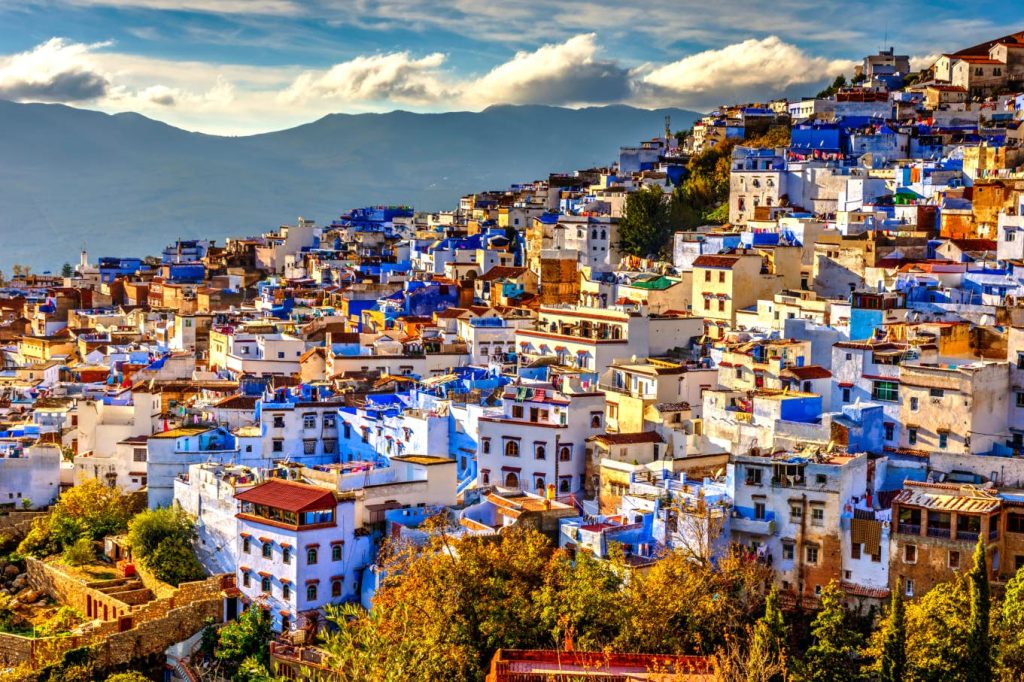
The Rifian Tribe: A Pillar of Resistance and Culture in North Africa
Nestled in the Rif Mountains of northern Morocco, the Rifian tribe represents one of…
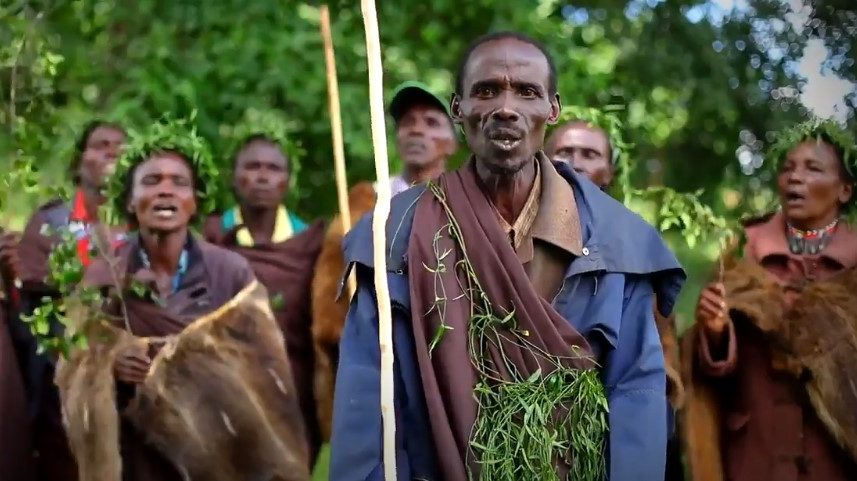
Ogiek Tribe: Defenders of Kenya’s Forest Heritage
The Ogiek, one of Kenya’s oldest indigenous communities, are traditionally forest dwellers who have inhabited…
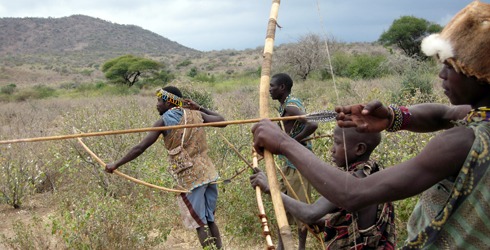
The Hadza Tribe: Guardians of an Ancient Way of Life
The Hadza people, one of the last remaining hunter-gatherer tribes in Africa, have inhabited the…
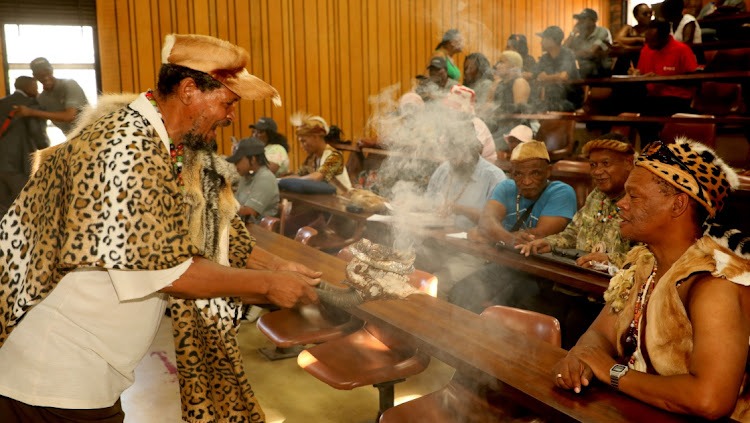
Exploring the Nama Language: History, Culture, and Influence
The Nama language, one of the oldest indigenous languages of Southern Africa, is spoken by…