
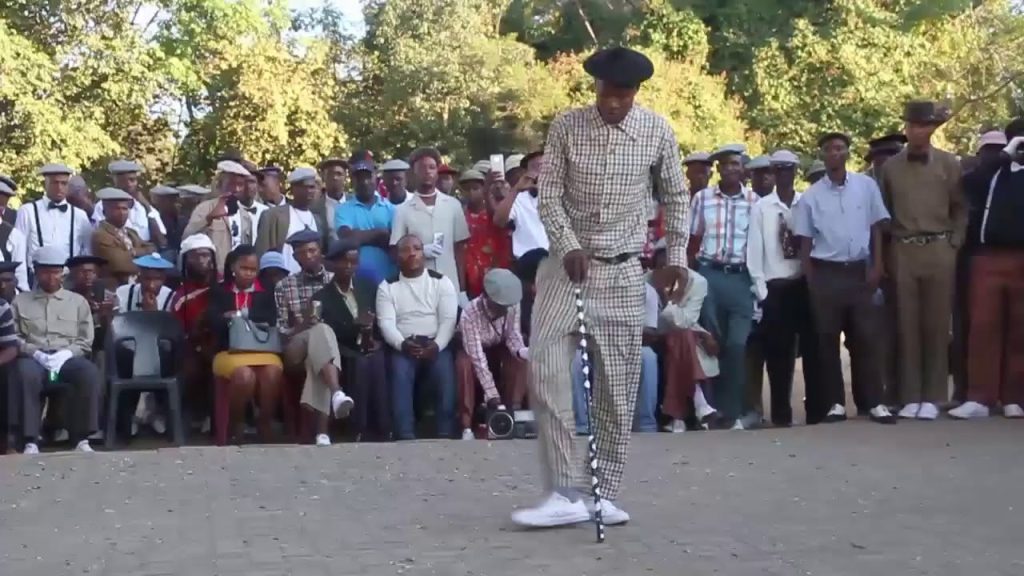
The origins of Kasi Taal can be traced back to the rise of townships during apartheid, when Black South Africans were forcibly relocated to segregated urban areas. These townships became melting pots of various ethnic groups, where languages like Zulu, Xhosa, Sotho, and Tswana intermingled with English and Afrikaans. The need for effective communication across different linguistic backgrounds gave birth to a new way of speaking—blending and borrowing from multiple languages.Over time, this combination evolved into what is now known as Kasi Taal. Its name derives from the word “kasi,” meaning township, and “taal,” the Afrikaans word for language.

It is often laced with humor, sarcasm, and wisdom, adding layers of meaning that go beyond the literal words spoken. The language has also become closely associated with the vibrant youth culture of the townships. Kasi Taal is central to the music, fashion, and social interactions of South Africans. It plays a key role in the world of kwaito music, a genre that emerged in the 1990s as a voice of urban youth, blending house music with township slang. Today, South Africa’s music scene also frequently features Kasi Taal, helping to mainstream the language far beyond the townships.
Here’s a quick way to learn some Kasi Taal through play.
Answers:1.Bethansa-Improvise, 2.Snai-Idiot, 3.Skruff-Criminal, 4.Lekgata-Police,5.Zozo-Food,6.Nyuko-Money,7.Dladla-House
8.Las-Starring,9.Lepyatla-Women,10.Ngeneha-Bored,11.Jumpisa-Obvious,12.Stele-Humble,13.Kwakwalla-Laughing,14.Zwabola-Straight face,15.Hata-suppress,16.Jikijiki-Suddenly,17.Lenyeme-Lame,18.Sefela-Good music,19.Jaket-10 Rands,20.Choko-20 Rands,21.Klipa-100 Rands,22.Gori-1k Rands,23.Dintshang-How’s life,24.Mpinchi-Associate,25.Shibobo-Nutmeg,26.Klaimara-Fake character,27.Pompa-Hype,28.Sghila-School,29.Gcwala-Believe,30.Mpondas-Robbery,31.Sata-Death,32.Achuse-Friend, 33.Sphethephethe-Busy,34.Mayza-Chill,35.Spinara-Hustler,36.Babi-Hangover,37.Hatella-Press,38.Tjakalla-Celebrations

#MandelaDay
Wait—did you know Nelson Mandela spent 67 YEARS fighting for justice, equality, and peace? That’s…
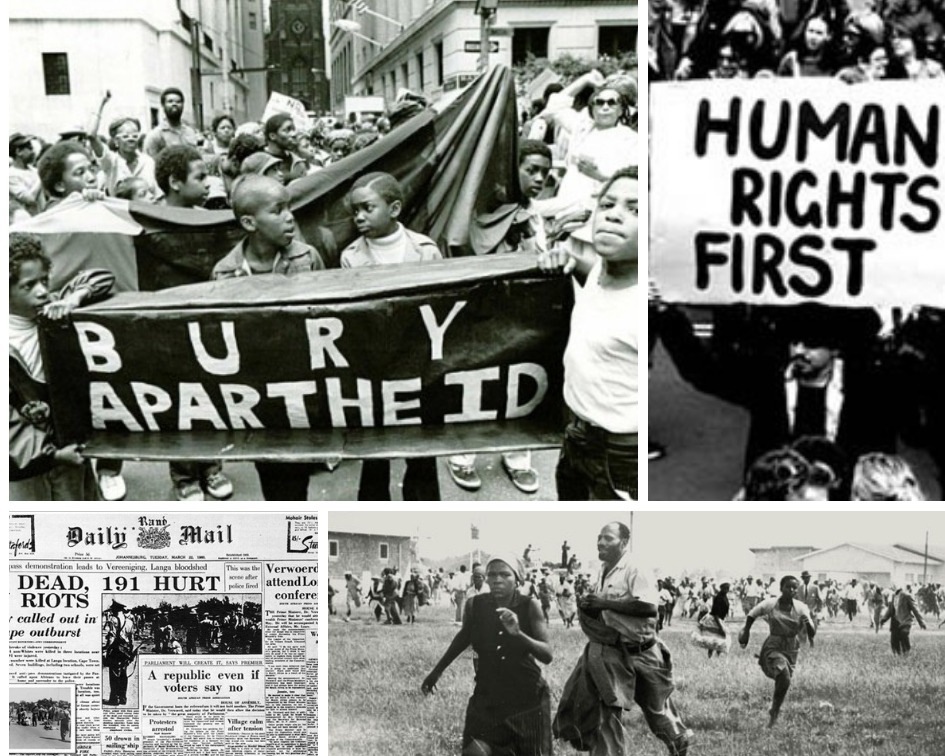
Human Rights day quiz
So what does human rights day mean to you as a South African. Well I…
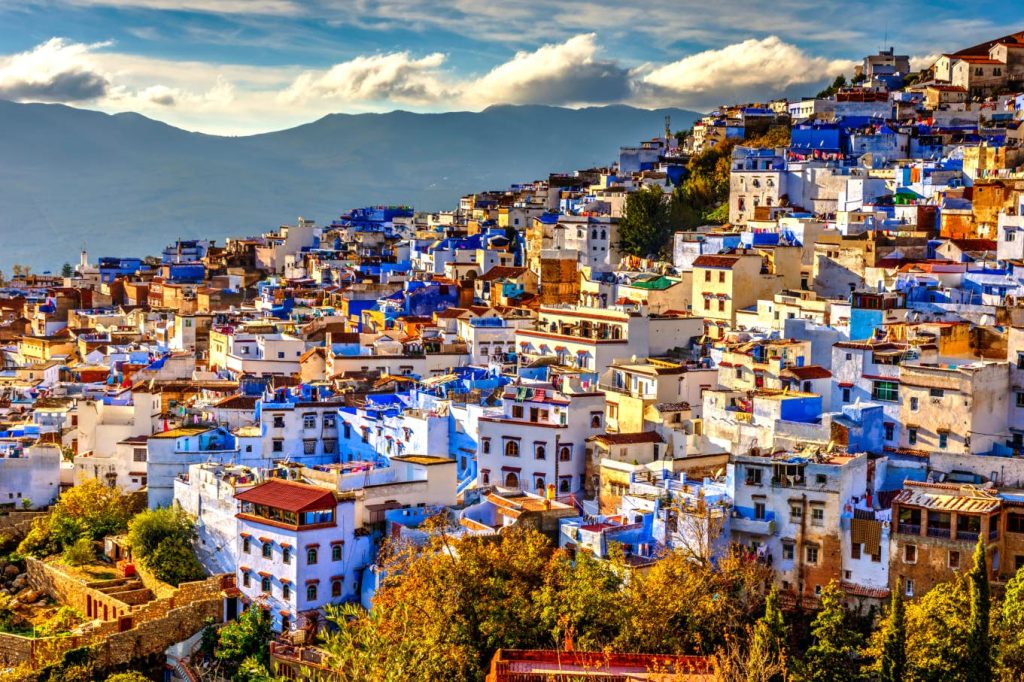
The Rifian Tribe: A Pillar of Resistance and Culture in North Africa
Nestled in the Rif Mountains of northern Morocco, the Rifian tribe represents one of…
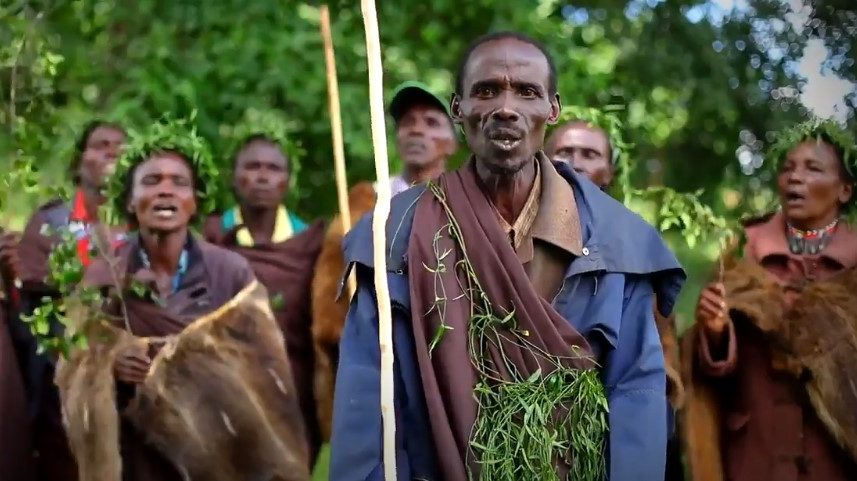
Ogiek Tribe: Defenders of Kenya’s Forest Heritage
The Ogiek, one of Kenya’s oldest indigenous communities, are traditionally forest dwellers who have inhabited…
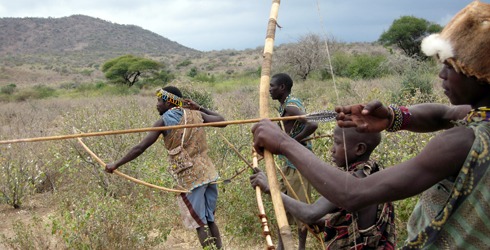
The Hadza Tribe: Guardians of an Ancient Way of Life
The Hadza people, one of the last remaining hunter-gatherer tribes in Africa, have inhabited the…
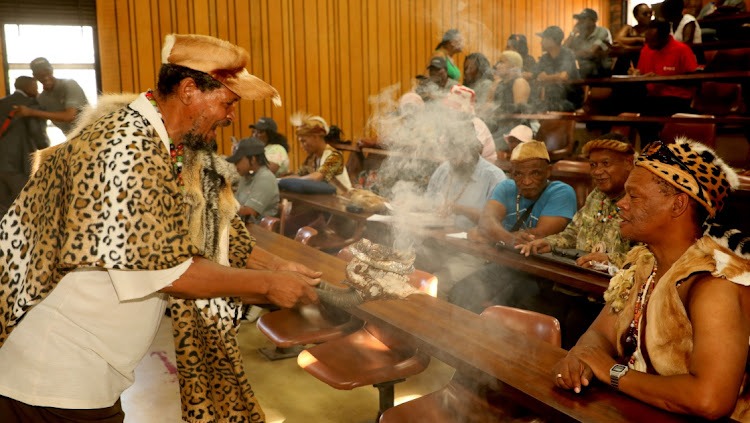
Exploring the Nama Language: History, Culture, and Influence
The Nama language, one of the oldest indigenous languages of Southern Africa, is spoken by…